
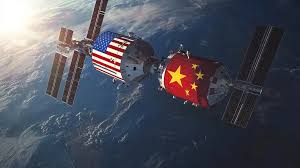
If you’ve seen the phrase “China Starlink” trending online, you’re not alone. From tech forums to social media headlines, people are asking whether China has its own version of Starlink—and what that means for the future of global internet and space technology.
The short answer? China doesn’t use Starlink, but it is building something similar. The longer story is far more interesting—and far less mysterious—than many viral posts suggest.
Let’s break it down.
What People Mean by “China Starlink”
Despite how it sounds, China Starlink is not an official product or service.
The term is commonly used to describe China’s plan to develop massive low-Earth orbit (LEO) satellite constellations designed to deliver high-speed internet—similar in concept to SpaceX’s Starlink.
In simple terms:
-
Starlink = SpaceX’s satellite internet system
-
“China Starlink” = a nickname for China’s own satellite internet ambitions
Different name, different control, different goals.
Why China Is Building Its Own Satellite Internet Network
Satellite internet has become one of the most strategic technologies of the decade. China’s push is driven by several major factors:
🌍 Reaching Remote Areas
Satellite internet can connect:
-
Rural regions
-
Mountains and deserts
-
Areas where fiber cables are difficult or expensive
This helps close the digital gap inside the country.
🔐 Data and National Security
Relying on foreign satellite networks raises concerns about:
-
Data privacy
-
Network control
-
Sovereignty
China wants a domestically controlled system.
🚀 Staying Competitive in Space
With Starlink expanding rapidly, China sees satellite internet as:
-
A key future infrastructure
-
A critical space technology
-
A long-term national investment
How China’s Starlink-Like System Works
China’s approach follows the same basic principle used by Starlink:
-
Thousands of small satellites
-
Low Earth orbit for lower latency
-
Continuous coverage through satellite constellations
But there’s a major difference:
👉 China’s system is state-led and tightly regulated, rather than privately owned and globally commercial.
Is China Competing Directly With Starlink?
In technology? Yes.
In global consumer markets? Not really.
Here’s why:
-
Starlink targets customers worldwide
-
China’s satellite internet is expected to focus mainly on domestic and government use
Rather than selling terminals globally, China’s system is more about infrastructure, control, and long-term capability.
Common Myths About “China Starlink”
Let’s clear up the biggest misunderstandings:
❌ Myth: China Uses Starlink
No. Starlink is owned by SpaceX, a U.S. company. China does not operate or rely on it.
❌ Myth: China Starlink Is a Secret Weapon
There’s no evidence of this. These satellites are designed for communication, not attack.
❌ Myth: It’s One Single Project
China’s satellite internet plans involve multiple state-backed entities, not one unified brand.
Why the Term “China Starlink” Keeps Going Viral
The phrase spreads quickly because:
-
Starlink is already globally famous
-
Satellite technology feels futuristic
-
Space + geopolitics = instant attention
-
Headlines often oversimplify complex tech
“China Starlink” is catchy—but it’s not precise.
How China’s Satellite Internet Differs From Starlink
| Feature | Starlink | China’s System |
|---|---|---|
| Ownership | Private (SpaceX) | State-backed |
| Availability | Global | Mostly domestic |
| Focus | Commercial users | National infrastructure |
| Data Control | Corporate | Government-regulated |
These differences reflect two very different tech philosophies.
Global Concerns Around Mega Satellite Networks
China isn’t the only country facing scrutiny. Large satellite constellations raise questions about:
-
Space debris
-
Orbital congestion
-
Signal interference
-
International coordination
As more satellites launch, global space governance becomes increasingly important.
What’s Next for China’s Satellite Internet?
Looking ahead, China’s Starlink-like projects are expected to support:
-
Smart cities
-
Disaster response communication
-
Industrial connectivity
-
Future space exploration missions
It’s less about replacing Starlink—and more about ensuring China doesn’t depend on it.
The Bottom Line
China Starlink isn’t a real product—but the technology behind the phrase is very real.
China is building its own satellite internet systems to:
-
Strengthen digital infrastructure
-
Maintain technological independence
-
Secure its role in the future of space communication
Understanding the difference between hype and reality helps cut through the noise—and see where global internet is really headed.