
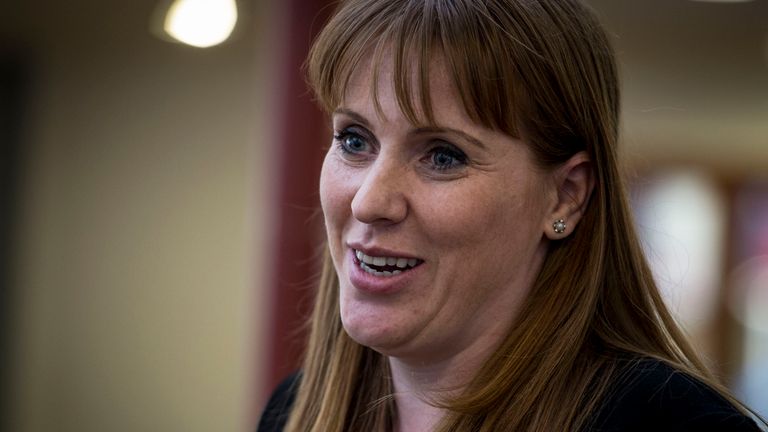
Angela Rayner, one of the most prominent figures in British politics, has long been open about her personal life, her working-class background, and the challenges she has overcome. Among the many experiences that have shaped her is her role as a mother — a role she has consistently described as the foundation of her resilience, empathy, and political drive.
Rayner has spoken publicly about raising her children, including navigating additional needs within her family. While she has never turned her private life into a spectacle, she has made it clear that parenting a child with disabilities or complex needs gives her a deeper, more personal understanding of how crucial support systems, public services, and social protections are for families across the country.
This article does not make assumptions or provide private medical details about her son. Instead, it explores what Rayner herself has openly expressed: the emotional and practical realities of raising a child who may require extra care, and how this has informed her approach to politics, social justice, and public policy.
Motherhood as a Driving Force in Rayner’s Life
Angela Rayner’s rise in politics is inseparable from her experiences as a young mother. Becoming a parent at 16, she has often said that motherhood made her “who I am today.” It taught her responsibility, resilience, and the ability to fight through adversity.
Having a child with additional needs further strengthened her understanding of how uneven and often underfunded the support landscape can be. She has described moments where navigating the system felt overwhelming, where paperwork, assessments, and waiting lists made life harder instead of easier. These experiences have deeply influenced her political positions on social care, family support, and disability rights.
Why Her Perspective Matters
Politicians often speak abstractly about disability services, education support, or healthcare reform. But when those same issues affect someone personally, they gain a different depth. For Rayner, the challenges she faced as a parent provided firsthand insight into:
1. The Pressure on Public Services
Families caring for disabled children often rely on multiple institutions — schools, hospitals, therapists, social workers, and local councils. When these systems are overstretched or underfunded, parents feel the immediate consequences.
2. The Emotional Reality of Caregiving
Rayner has spoken about the emotional strength required to be both a caregiver and a provider. Many parents of disabled children face constant worry about support availability, long-term care, and their child’s future. Her empathy for these struggles is something she brings directly into her work.
3. The Importance of Inclusion
She frequently emphasizes dignity, independence, and accessibility for people with disabilities. Her understanding stems from both personal experience and years of community advocacy.
4. The Barriers Faced by Working-Class Families
Families with fewer financial resources often face an even tougher battle accessing specialist support. Rayner has connected this reality to her broader push for equality and investment in early intervention services.
From Personal Experience to Political Advocacy
Angela Rayner has consistently argued that disability support should never be treated as an afterthought. Her experiences have reinforced her belief that:
✔ Education systems must accommodate all children
She has advocated for inclusive classrooms, more resources for special educational needs, and shorter waiting times for assessments.
✔ Families should not have to fight for basic support
Rayner has highlighted stories — including her own — where parents are pushed to exhaustion navigating bureaucracy.
✔ Carers deserve recognition and financial protection
Unpaid caregiving work, often done by parents, significantly impacts employment opportunities, mental health, and household income.
✔ Disabled individuals deserve independence and dignity
Her advocacy centers on empowerment rather than pity, promoting accessible environments and equal opportunities.
The Stigma Around Disability: Rayner’s Approach
One of the most powerful aspects of Rayner’s public life is her refusal to let stigma dictate the narrative. She speaks plainly about hardship but also focuses on strength, love, and resilience within families of disabled children. Her approach reminds the public that disability is not a source of shame but an important part of human diversity.
By being open about challenges while maintaining boundaries around her family’s privacy, she strikes a balance that many public figures find difficult. She offers solidarity without exploitation, compassion without sensationalism.
How Her Experiences Shape Policy Debates
Angela Rayner’s political work often reflects the lessons learned from her personal life:
Support for Early Years Development
She has advocated for better funding and more accessible services in children’s early learning, recognizing how crucial early intervention can be for families with disabled children.
Investment in Local Councils
Rayner argues that local authorities need stronger financial support since they handle social care, community health, and special educational needs services.
Workplace Rights for Parents and Carers
She supports policies that protect flexible working conditions and employment rights for people who care for disabled family members.
Mental Health Support for Families
She is vocal about the emotional toll caregiving takes, calling for better mental health resources for parents and carers.
Why Her Story Resonates With So Many
Angela Rayner’s story speaks to countless families navigating similar challenges. It resonates because:
- She understands the system from the inside, not just as a policymaker but as a parent.
- She speaks with honesty, not idealism.
- She avoids romanticizing hardship yet draws strength from it.
- She uses her platform to advocate for those whose voices often go unheard.
Her journey represents not just personal resilience but also the need for systemic reform — ensuring children with disabilities receive the support, dignity, and opportunities they deserve.
Conclusion
Angela Rayner’s public life is deeply intertwined with her experiences as a mother, including raising a child with additional needs. While she protects her family’s privacy, she does not shy away from acknowledging how these experiences shaped her worldview and political mission. Her story underscores the broader struggles that many families face and highlights the urgent need for strong public services, inclusive education, and compassionate disability support systems.
Rayner’s blend of personal experience and political advocacy makes her a significant voice in the ongoing conversation about disability rights, social care, and family support — not just as a lawmaker, but as someone who has walked the path herself.