
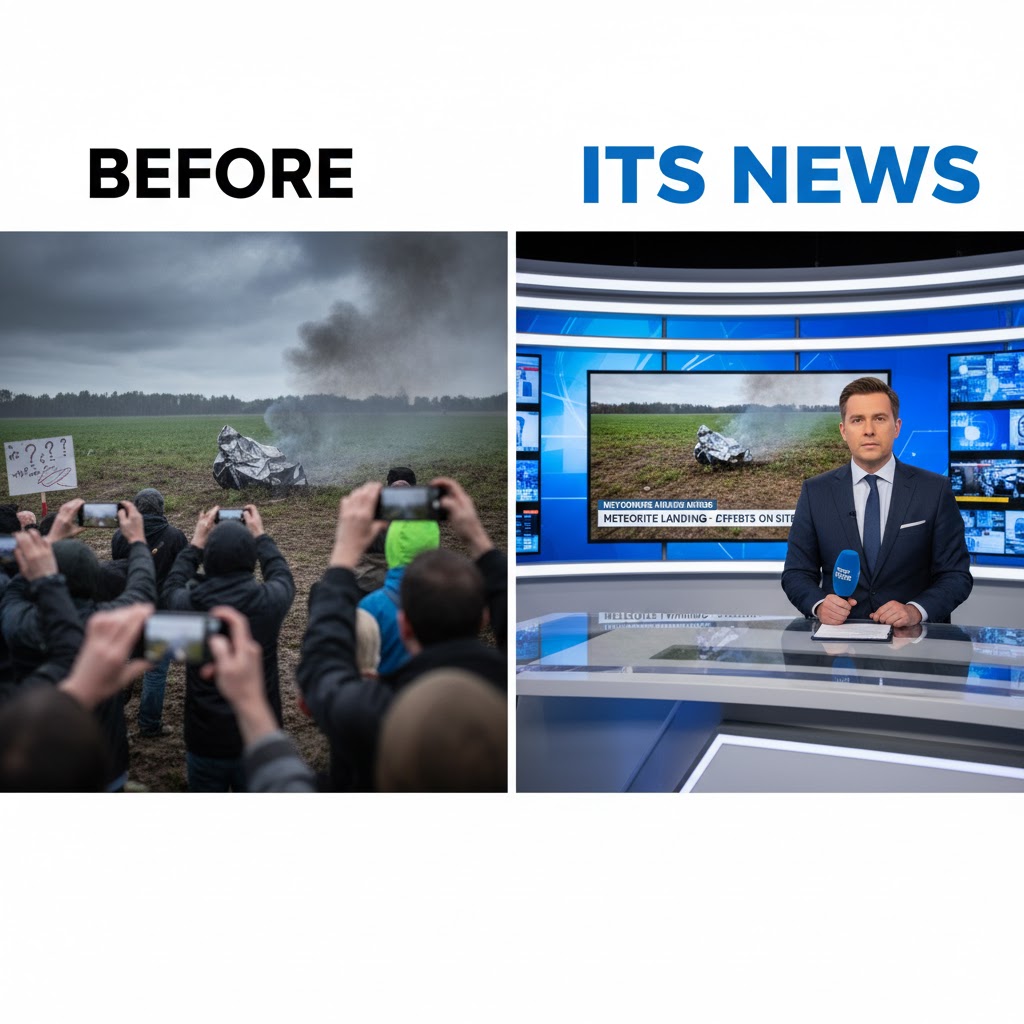
In the ever-evolving digital landscape, alternative media platforms have reshaped how people consume and share information. One such platform that has attracted both attention and controversy is Before It’s News, a citizen journalism website known for hosting user-generated news content. Launched in the late 2000s, it has positioned itself as a space for independent voices and grassroots reporting—offering stories that often challenge mainstream narratives.
What Is Before Its News?
Before It’s News (BIN) is an open-news website where anyone can post stories, reports, opinions, or analysis on current events. The platform’s guiding philosophy revolves around free expression and the belief that traditional media outlets often filter or suppress certain viewpoints. By allowing unfiltered public participation, the site claims to empower citizens to share what they believe is “the real story” behind world events.
The Concept of Citizen Journalism
Citizen journalism refers to news and information produced by non-professional journalists—ordinary individuals who use the internet, blogs, and social media to report stories. Before It’s News embraced this movement early on, offering contributors a platform without the editorial gatekeeping found in established newsrooms.
Supporters see this as a democratization of media, giving a voice to those ignored by major networks. Critics, however, argue that the lack of editorial oversight can lead to the spread of misinformation or unverified claims. This duality has made BIN both influential and controversial.
Content and Categories
Before It’s News publishes content across a wide range of categories, including:
-
Politics: Articles on government policies, elections, and international relations.
-
Science and Technology: Innovations, space exploration, and speculative discoveries.
-
Health: Alternative medicine, wellness trends, and public health debates.
-
Paranormal and Conspiracy Theories: UFO sightings, secret societies, and unexplained phenomena.
-
Economy and World Events: Market trends, global crises, and economic forecasts.
The diversity of topics makes the platform appealing to readers seeking unconventional perspectives—but it also places a heavy responsibility on readers to critically evaluate the sources and claims presented.
Criticism and Controversy
While Before It’s News promotes itself as a hub for free speech, it has faced criticism from media watchdogs and fact-checkers for allowing the spread of conspiracy theories and false information. Some stories have been flagged for lacking credible evidence or relying on anonymous sources.
Despite this, the platform continues to attract millions of visitors each year, highlighting the public’s growing appetite for alternative viewpoints and skepticism toward traditional news institutions.
The debate surrounding BIN reflects a larger cultural issue: how to balance freedom of expression with the need for accuracy and accountability in digital media.
The Role of Alternative Media
Before It’s News exists in a broader ecosystem of independent and alternative media platforms. In an age where large corporations dominate much of the information landscape, such platforms offer diversity and foster open dialogue. Many readers turn to BIN because they believe mainstream outlets have become overly commercialized, politically biased, or selective in their coverage.
However, experts emphasize that critical thinking and media literacy are essential when consuming content from open-source news websites. Evaluating evidence, checking multiple sources, and understanding potential biases can help readers separate facts from speculation.
Impact and Influence
Despite the controversies, Before It’s News has had a measurable impact on online journalism culture. It has encouraged a wave of independent bloggers, whistleblowers, and grassroots reporters to share stories directly with the public. In times of crisis or censorship, BIN and similar sites have sometimes served as outlets for alternative information flow, even when mainstream coverage was limited.
Its influence also demonstrates how decentralized media has become. Today, anyone with internet access can potentially reach millions of readers—an opportunity once reserved only for large publishers.
Conclusion
Before Its News stands as a symbol of the information revolution—a reminder of both the power and the pitfalls of citizen journalism. It challenges conventional journalism by empowering ordinary individuals to share their perspectives, but it also raises questions about verification, responsibility, and truth in the digital age.
Whether viewed as a beacon of free speech or a hub of unverified claims, Before It’s News reflects a profound shift in how societies create, distribute, and consume news. In this new era of online storytelling, the responsibility ultimately lies with readers to seek the truth through careful analysis and open-minded inquiry.