
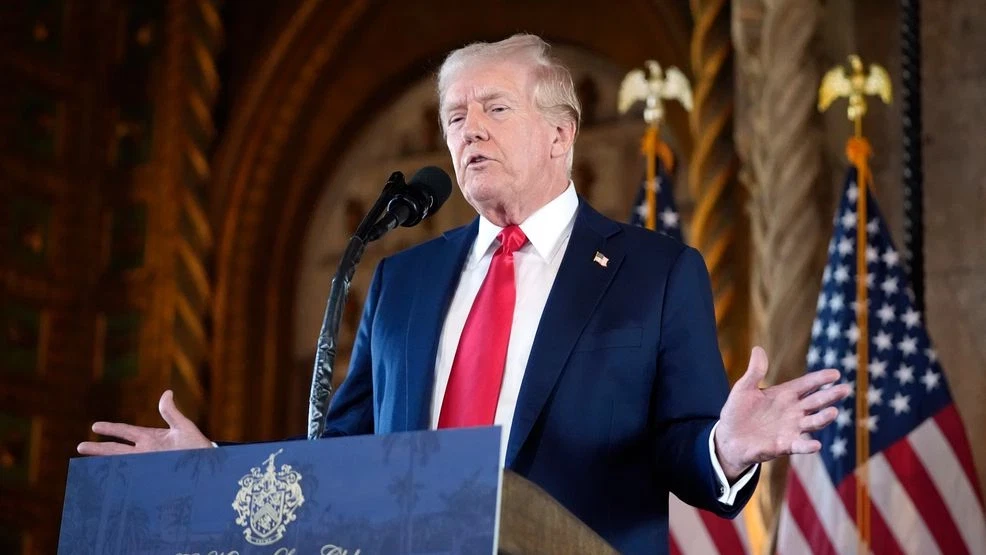
Donald J.Trump (born June 14, 1946) is an American businessman, media figure and politician who served as the 45th and — following the 2024 election — the 47th President of the United States. This article reviews his background, policy priorities, notable actions in office, the legal cases that have shaped recent years, and why he remains a central figure in U.S. politics.
Early life and business career
Raised in Queens, New York, Trump attended the Wharton School at the University of Pennsylvania and later took the reins of the family real-estate business, which he rebranded as the Trump Organization. Over decades he built a public-facing brand across real estate, licensing deals, golf courses and television appearances. The combination of private assets and licensing has made assessments of his net worth contested by observers and financial outlets.
Political rise and presidencies
Trump first won the presidency in 2016, serving from 2017 to 2021. After losing in 2020, he returned to the White House following the 2024 election and was inaugurated for a nonconsecutive second term on January 20, 2025 — a rare modern occurrence, previously only seen with Grover Cleveland. Observers characterize his administrations as emphasizing an “America First” approach to trade, immigration and regulation.
- Tax and deregulation efforts designed to favor business and reduce federal oversight.
- Stronger enforcement on immigration, and measures to curb irregular migration.
- Energy policy favoring expanded fossil fuel production and reduced regulatory burdens for industry.
Legal landscape: indictments, trials and outcomes
Since 2023, Trump has faced multiple criminal indictments across several jurisdictions. These matters range from charges connected to business records, document handling, and events surrounding the January 6, 2021, Capitol attack, among others. The legal processes — including trials, convictions, appeals and pending matters — have had substantial political and constitutional implications and continue to unfold.
Finances and net worth
Public estimates of Trump’s net worth differ: major financial outlets have produced figures in the multi-billion-dollar range, but the exact number depends on valuations of real estate holdings, brand value, and private assets. Because much of Trump’s wealth is tied to private holdings, estimates vary and remain subject to revision.
Actions early in the 2025 term
In his early weeks after the 2025 inauguration, the president signed a large number of executive actions and orders intended to advance campaign priorities, including immigration enforcement and deregulatory steps. The Federal Register documents show an active use of executive authority in 2025. Analysts argue these moves have immediate policy effects while also prompting legal and political debate.
Visual timeline (quick view)
1946 • Born
1971 • Trump Organization
2016 • Elected 45th
2017 • Inaugurated
2021 • Left office
2024 • Re-elected
2025 • Inaugurated (47th)
Timeline — major public milestones. For an expanded timeline with citations and files, use the legal events table below and primary-source links.
Legal events summary (table)
| Date (range) | Jurisdiction | Allegation / Case | Status / Notable outcomes |
|---|---|---|---|
| Mar–Aug 2023 | New York Supreme Court | Business records / payments investigation | Indictments issued; trials and appeals followed (see sources). :contentReference[oaicite:6]{index=6} |
| 2023–2025 | Federal (S.D. Florida, D.C.) | Classified documents and election-related charges | Indictments filed across multiple federal districts; proceedings ongoing and subject to appeals. :contentReference[oaicite:7]{index=7} |
| 2023–2025 | Fulton County, GA | State charges related to election activities in 2020 | State grand jury matters and prosecutions; active litigation and public attention. :contentReference[oaicite:8]{index=8} |
Why Trump still matters — brief analysis
Four reasons place Trump at the center of contemporary U.S. politics: (1) a large and mobilized political base; (2) extensive use of executive authority shaping immediate policy; (3) the legal cases that create constitutional and institutional questions; and (4) economic and diplomatic effects from administrative decisions. How courts, voters and institutions respond to these factors will influence governance and precedent for years to come.